








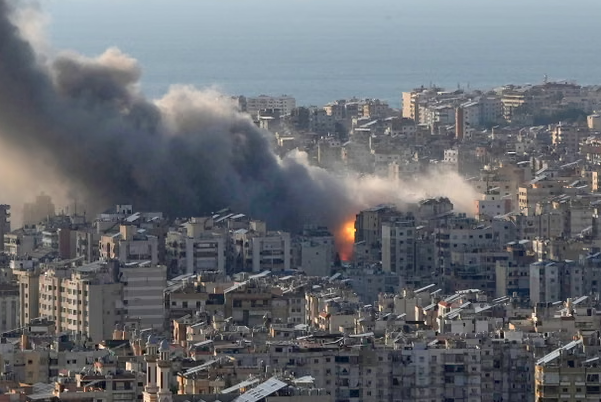
Israel Iran war — The ongoing confrontation between Israel and Iran has entered one of the most serious phases in recent Middle Eastern history. What began years ago as indirect conflict — cyber operations, proxy battles, and targeted strikes — has now shifted into open military escalation.
The situation remains tense, fast-moving, and globally significant. Here’s a detailed, easy-to-understand breakdown of what is happening, why it matters, and what could happen next.
How the Israel Iran Conflict 2026 Escalated
Decades of Tension
The rivalry between Israel Iran war is not new. Political hostility, ideological differences, and regional power struggles have fueled distrust for decades.
Iran has repeatedly criticized Israel’s policies and regional presence. Israel, in turn, has expressed deep concern over Iran’s military development and strategic influence across neighboring countries.
From Shadow War to Direct Strikes
For years, the conflict remained indirect. However, recent military exchanges mark a clear shift. Direct missile launches, airstrikes, and defense activations have changed the scale of confrontation.
Once nations cross into open military action, de-escalation becomes much harder.
What Is Happening on the Ground Right Now
The current phase includes:
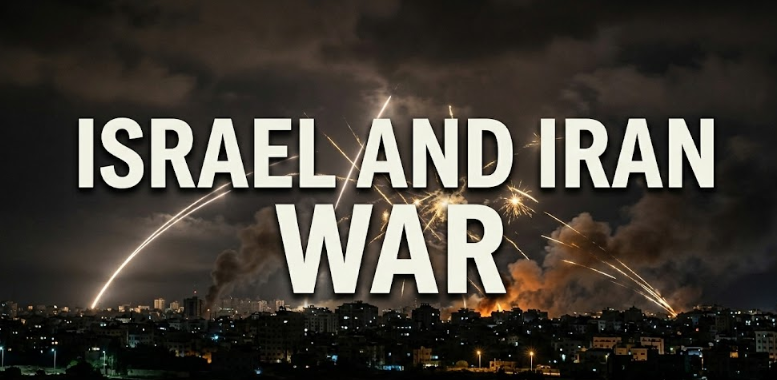
- Targeted airstrikes on military infrastructure
- Missile and drone launches
- Increased air defense responses
- Temporary disruption of civilian infrastructure
- Heightened emergency alerts
In affected areas, daily life has been interrupted. Air raid sirens, restricted movement, and uncertainty have become common realities.
While military targets remain central, civilians inevitably feel the impact through instability and fear.
Why This Conflict Is So Dangerous-Israel Iran war
Advanced Military Capabilities
Both countries possess significant military technology. Precision missile systems, advanced air defense networks, and drone capabilities raise the stakes dramatically.
Risk of Regional Spillover
The Middle East operates through a complex web of alliances. Any expansion of this conflict could involve additional actors, making containment more difficult.
Global Economic Sensitivity
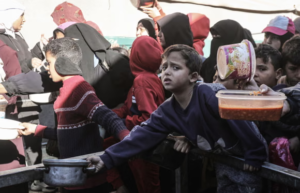
The region plays a vital role in global energy supply. Even limited instability can influence oil prices, investor confidence, and trade routes.
Political Pressure
National leadership on both sides faces internal pressure not to appear weak. That political reality complicates diplomatic solutions.
Human Impact Beyond Headlines
Behind strategic discussions are real families and communities. Schools may close. Businesses may pause operations. Hospitals may operate under pressure.
Conflict creates uncertainty that extends far beyond physical damage. Emotional stress, displacement concerns, and long-term economic disruption affect ordinary people most deeply.
International Diplomatic Efforts-Israel Iran war
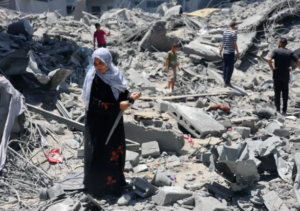
Global leaders have urged restraint and called for immediate de-escalation. Diplomatic channels are reportedly active, though progress remains uncertain.
Major powers are closely monitoring developments to prevent broader regional destabilization. However, diplomacy often moves slower than military action.
The coming days are critical.
Possible Scenarios Going Forward
Several outcomes remain possible:
- Limited escalation followed by diplomatic cooling
- Prolonged military exchanges without wider involvement
- Expansion involving regional allies
- Internationally brokered ceasefire
The direction depends on strategic calculations made in the coming days.
Frequently Asked Questions (FAQs)
The conflict stems from decades of political hostility, regional power competition, and security concerns. Both nations view the other as a strategic threat in the Middle East.
While there have been direct military exchanges, whether it evolves into full-scale war depends on future escalation and diplomatic intervention.
The Middle East is central to global energy supply. Any instability in the region often leads to fluctuations in oil markets due to supply concerns.
There is a possibility of regional involvement due to alliances and strategic partnerships. However, international efforts aim to prevent wider escalation.
Ceasefires are always possible through diplomatic channels, but success depends on political willingness from both sides and international mediation efforts.